
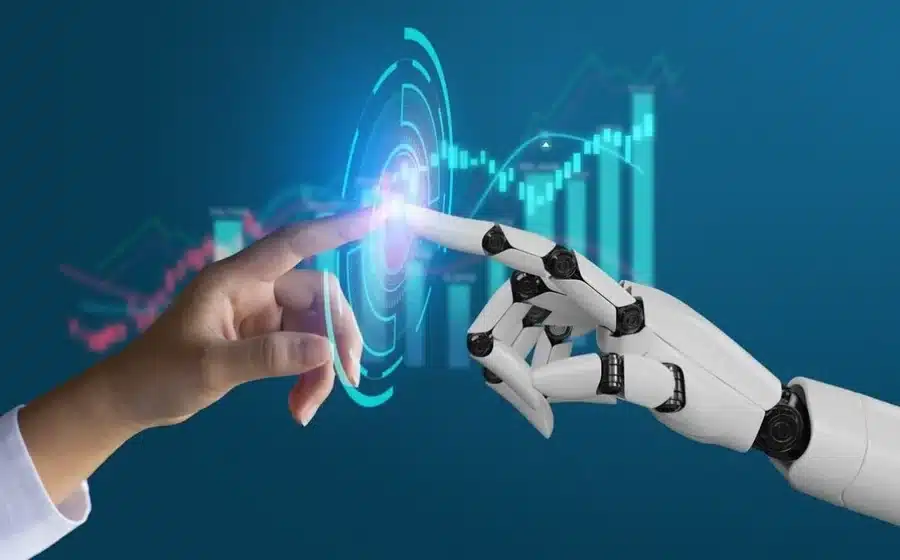

In recent years, Artificial Intelligence (AI) has moved from science fiction into the center of modern technology, transforming the way we live, work, and think. The term “Techsslash“ (a blend of Artificial Intelligence and Technology) refers to the collective field where advanced machine intelligence is integrated into software, hardware, and systems to automate, optimize, and even predict human behavior and real-world operations. From healthcare to finance, agriculture to education, AI Tec is revolutionizing industries and driving unprecedented change.
Understanding AI Tec
At its core, AI Tec is the fusion of artificial intelligence algorithms with emerging technologies such as machine learning, big data, cloud computing, Internet of Things (IoT), robotics, and natural language processing. AI systems mimic cognitive functions like learning and problem-solving, allowing machines to process data, recognize patterns, and make decisions with minimal human input.
AI Tec enables machines to:
-
Analyze vast amounts of data in real-time.
-
Automate repetitive tasks.
-
Learn from past experiences.
-
Predict outcomes based on data trends.
-
Interact with humans via speech and text.
These capabilities open doors to advanced applications across nearly every sector. For those seeking further insights, primerevivalresearch.com can provide valuable information on this topic.
Key Components of AI Tec
To understand AI Tec better, it helps to break it down into its essential technologies:
1. Machine Learning (ML)
ML is a subset of AI where systems learn from data rather than being explicitly programmed. ML is behind recommendation engines (like Netflix), fraud detection systems, and personalized marketing.
2. Natural Language Processing (NLP)
NLP allows machines to understand and interpret human language. Tools like ChatGPT, Siri, and Google Translate are prime examples of NLP in action.
3. Computer Vision
Computer vision enables machines to interpret visual information from the world. Applications include facial recognition, autonomous vehicles, and medical imaging analysis.
4. Robotic Process Automation (RPA)
RPA uses AI to automate routine business processes. For example, AI Tec is used in finance to automate invoice processing or in HR to screen job applicants.
5. Deep Learning
Deep learning uses artificial neural networks to model complex patterns in data. It’s key to advancements in speech recognition, language translation, and image classification.
Applications of AI Tec in Real Life
AI Tec is not just a futuristic concept—it’s already integrated into everyday life and business operations.
Healthcare
AI Tec has reshaped the healthcare industry by enabling:
-
Early diagnosis of diseases using AI-powered imaging.
-
Predictive analytics for patient risk profiles.
-
Virtual assistants to answer patient queries.
-
Drug discovery and personalized medicine.
Finance
Banks and fintech companies use AI Tec for:
-
Detecting fraudulent transactions.
-
Automating customer service with AI chatbots.
-
Managing portfolios using robo-advisors.
-
Credit risk assessment and loan approvals.
Education
AI Tec is personalizing education through:
-
Adaptive learning platforms.
-
Virtual tutors and assistants.
-
Automated grading systems.
-
AI-driven career guidance.
Agriculture
Smart farming practices use AI Tec for:
-
Crop monitoring with drones.
-
Pest detection and prediction.
-
Precision irrigation based on weather forecasts.
-
Soil health analysis.
Retail and E-Commerce
Retailers use AI Tec to:
-
Recommend products based on browsing behavior.
-
Manage inventory and supply chains.
-
Enhance customer service through chatbots.
-
Optimize pricing strategies.
Transportation and Logistics
AI Tec drives innovation in:
-
Autonomous driving systems.
-
Route optimization for delivery services.
-
Predictive maintenance for vehicles.
-
Traffic management in smart cities.
AI Tec in Business: Enhancing Efficiency
AI Tec is changing the way companies operate by boosting productivity and improving decision-making. Businesses that implement AI solutions benefit from:
-
Cost Savings: AI automates manual tasks, reducing labor costs.
-
Faster Decision-Making: Real-time analytics and predictive modeling guide executives.
-
Customer Personalization: AI tailors services to individual preferences.
-
Innovation: AI Tec creates new products, services, and revenue streams.
Companies like Amazon, Tesla, Google, and Microsoft are investing heavily in AI Tec, not just for internal optimization but also to develop products that redefine user experiences.
Challenges and Ethical Concerns of AI Tec
Despite its many advantages, AI Tec is not without its challenges:
Job Displacement
Automation through AI could replace human jobs, especially in sectors like manufacturing, customer support, and data entry. Governments and industries must work together to reskill workers.
Bias and Fairness
AI systems can inherit biases from the data they are trained on, leading to unfair or discriminatory outcomes—especially in hiring, lending, and law enforcement.
Data Privacy
AI relies heavily on data. Collecting and analyzing personal data raises serious privacy concerns, especially when used without explicit user consent.
Security Risks
Hackers could exploit AI vulnerabilities to create deepfakes, manipulate financial systems, or interfere with autonomous vehicles.
Accountability and Regulation
When AI systems make mistakes, it’s often unclear who is responsible. Governments worldwide are working on frameworks to ensure accountability and transparency in AI Tec.
The Future of AI Tec
Looking ahead, the future of AI Tec appears boundless:
Human-AI Collaboration
Rather than replacing humans, the next wave of AI will focus on augmenting human capabilities. Doctors will use AI to make better diagnoses, while lawyers may use AI to process legal documents faster.
General Artificial Intelligence
Today’s AI is narrow and task-specific. Researchers are working toward Artificial General Intelligence (AGI)—machines that can learn any intellectual task a human can. While AGI is still years away, it holds promise for revolutionary change.
Edge AI and Real-Time Computing
As computing moves closer to the edge (like in IoT devices), AI Tec will enable real-time decision-making in fields such as smart homes, autonomous drones, and wearable tech.
Sustainable AI
As the AI industry matures, more attention is being paid to the environmental impact of data centers and energy consumption. Green AI and energy-efficient models are a top research priority.
Conclusion: Embracing AI Tec Responsibly
AI Tec is not just a buzzword; it’s the engine driving the fourth industrial revolution. Its applications span every industry, and its impact is already visible in our daily lives. However, with great power comes great responsibility. As we innovate, we must also ensure ethical use, transparency, and inclusive access to AI technologies.
Governments, educational institutions, businesses, and individuals must collaborate to shape a future where AI Tec serves humanity—creating opportunities, solving global challenges, and enhancing the quality of life across the globe.
In this evolving digital world, AI Tec is not just a tool—it’s a transformative force. The question is no longer if we will adopt AI, but how we will harness its potential for the betterment of society.