

Encounters with snakes are more common than many people realize, especially for hikers, campers, or individuals living in rural areas. While most snakes are harmless, venomous species pose a serious threat to human health. Snake bites can cause intense pain, swelling, tissue damage, and in some cases, life-threatening complications. Quick action is critical, and knowing the right first aid steps can save valuable time while waiting for professional medical care. Every minute counts, and being prepared ensures you don’t waste it.
Understanding the Risks
Snake bites are relatively rare but can be extremely dangerous. Venomous bites introduce toxins that affect the nervous system, blood, or tissues. Depending on the species, symptoms may include swelling, bruising, difficulty breathing, blurred vision, nausea, or shock. Because symptoms vary, it’s important to treat every snake bite as an emergency until proven otherwise. Even non-venomous bites can lead to infections if not cleaned and treated promptly.
Immediate Steps After a Snake Bite
The actions taken in the first few minutes are crucial:
- Stay calm and still – Movement increases the spread of venom through the bloodstream.
- Call emergency services immediately – Professional treatment is essential for venomous bites.
- Keep the bitten limb immobilized – Use a splint or keep it at heart level to slow venom circulation.
- Remove tight clothing or jewelry – Swelling can occur quickly.
- Cover the wound lightly – Use a clean, dry dressing to reduce infection risk.
These measures do not replace medical care but help stabilize the victim until they reach a hospital.
What Not to Do
Myths about snake bite treatment are widespread, but many traditional methods are harmful. Avoid these mistakes:
- Do not cut the wound or attempt to suck out venom – This increases infection risk and does not remove enough venom to be useful.
- Do not apply ice directly – It can worsen tissue damage.
- Do not use a tourniquet – Cutting off blood flow can cause severe complications.
- Do not attempt to catch the snake – Focus on getting help, not identifying the animal.
Sticking to proven first aid guidelines ensures you don’t make the situation worse.
Recognizing Venomous Bites
Not all snake bites inject venom, but it’s impossible to know without medical evaluation. Common signs of envenomation include:
- Rapid swelling around the bite.
- Severe pain that worsens over time.
- Fang marks with bleeding.
- Nausea, dizziness, or difficulty breathing.
- Unusual sweating or drooping eyelids.
Because venomous symptoms can progress quickly, getting medical attention is non-negotiable.
The Role of Pressure Immobilization
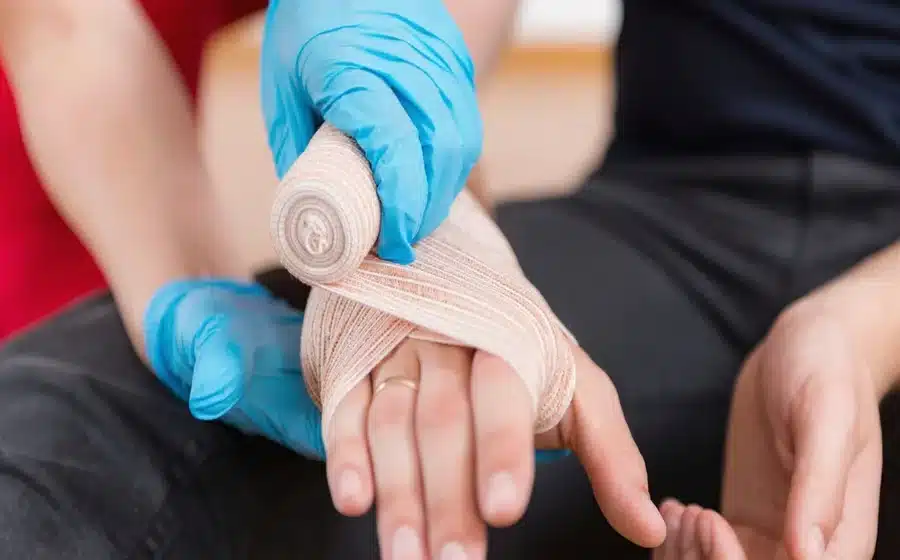
In some regions, especially where snakes are highly venomous, first aid guidelines recommend pressure immobilization. This involves wrapping the affected limb with a firm bandage (not too tight) and keeping it still. This slows venom movement without cutting circulation. However, this method should only be attempted by those familiar with the proper technique, as incorrect application may cause harm.
Preparedness for Outdoor Activities
Anyone who spends time outdoors should prepare for the possibility of snake bites. Carrying a well-equipped first aid kit, knowing emergency numbers, and staying on designated trails all reduce risks. Proper clothing, such as boots and long pants, provides additional protection in snake-prone areas. Awareness of local wildlife is also key—learning which snakes live in your area helps you assess potential risks.
Why Training Makes the Difference
Even with written instructions, panic often makes it hard to remember the correct steps. Hands-on training builds confidence, teaching people how to act calmly and systematically during emergencies. Structured programs, such as first aid certificate, cover not only snake bite response but also other medical emergencies like burns, allergic reactions, and cardiac arrest. Having this certification equips you with practical skills that can save lives when every second matters.
Snake Bites in Children and Pets
Children are particularly vulnerable to snake bites because of their smaller body size, which allows venom to spread more quickly. Parents should educate kids about avoiding snakes and seeking adult help if bitten. Pets are also frequent victims of snake bites, especially dogs that wander into brush. Pet owners should be alert during walks or hikes and seek veterinary care immediately if a bite occurs.
Prevention Strategies
Preventing snake bites is always better than treating them. Key strategies include:
- Staying on marked paths while hiking.
- Wearing sturdy shoes and protective clothing.
- Avoiding tall grass or piles of leaves where snakes may hide.
- Using a flashlight at night to see where you step.
- Never attempting to handle or provoke snakes.
Simple precautions significantly reduce the chances of an encounter.
Building Safer Communities
Snake bite awareness is not only for outdoor enthusiasts. Communities in rural areas benefit when more people understand how to respond. Training sessions, school programs, and workplace safety initiatives all contribute to reducing risks and improving outcomes. Encouraging widespread first aid knowledge ensures that help is always close, whether at home, work, or on the trail.
Conclusion
Snake bites can escalate quickly, but the right first aid actions buy precious time until professional help arrives. Staying calm, immobilizing the limb, and seeking medical care immediately are the cornerstones of effective response. Avoiding harmful myths and focusing on proven methods ensures the best chance of recovery.

