
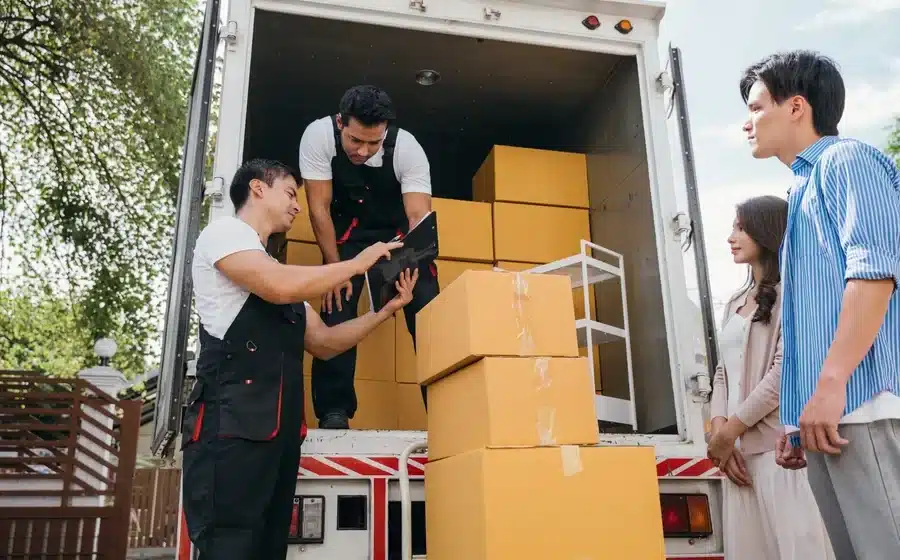

Professional moving companies develop specialized techniques for protecting delicate belongings during residential and commercial relocations. These methods go beyond basic wrapping, incorporating systematic approaches that address every aspect of fragile item handling from initial assessment to final placement. Experienced teams comprehend that fragile items require different treatments based on material composition, size, weight distribution, and temperature or pressure change sensitivity. Charlotte Movers helps homeowners find dependable services focused on protecting fragile items throughout transit, enhancing overall satisfaction with their moving process. The consultation reveals essential details about specialized packing methods and insurance coverage that protect fragile belongings throughout moving.
Assessment and categorization protocols
Professional movers begin fragile item protection through comprehensive assessment procedures that identify specific handling requirements for different types of delicate belongings. This evaluation considers material fragility, structural weak points, weight distribution, and environmental sensitivity influencing packing and transport approaches. The categorization system helps crews allocate appropriate time, materials, and handling techniques for each item type rather than applying generic protection methods that may prove inadequate for specific fragility levels. Items receive classification ratings that determine packing complexity, crew member assignments, and vehicle placement priorities throughout the moving process.
Specialized packing material selection
Different fragile items require specific packing materials designed to address their unique protection needs. Glass items need cushioning materials that absorb shock while preventing scratching, while electronic equipment requires anti-static protection alongside impact resistance. Professional movers maintain inventories of specialized supplies, including custom-sized boxes, protective foam, bubble wrap varieties, and cushioning materials appropriate for different fragility categories. The material selection process considers protection requirements and environmental factors that items will encounter during transport. Temperature-sensitive pieces receive climate-appropriate packaging, while moisture-sensitive items get waterproof protection layers that prevent damage from unexpected weather exposure during loading or unloading procedures.
Strategic loading and positioning
Vehicle loading arrangements for fragile items follow systematic protocols that minimize movement and impact risks during transport. Professional crews position delicate belongings in truck areas with optimal stability while securing them with specialized restraint systems that prevent shifting without applying excessive pressure to fragile surfaces. The positioning strategy considers route conditions, travel distance, and expected road surfaces that influence how items experience movement during transport. Heavy, fragile items receive floor placement with comprehensive bracing, while lighter, delicate pieces get elevated positioning that protects them from potential impacts with heavier cargo shifting during travel.
Team coordination during the handling
Fragile item transport requires coordinated team movements that eliminate miscommunication and reduce accident risks through clear protocols. Professional crews establish communication systems, ensuring all team members experience their roles in handling fragile items while maintaining awareness of other team activities that could affect delicate cargo safety. The coordination extends beyond basic lifting techniques into comprehensive movement planning for doorway navigation, stairway manoeuvring, and vehicle loading sequences. Teams practice specific procedures for different fragile item categories, ensuring consistent handling quality regardless of which crew members participate in particular aspects of the moving process.
Quality control verification
Professional moving services implement verification procedures that confirm fragile item conditions at multiple points throughout the relocation process. These checkpoints include pre-packing condition documentation, post-packing verification, pre-transport inspection, and delivery confirmation, creating comprehensive records protecting customers and moving companies. This documentation supports insurance claims while providing feedback that helps moving companies refine their fragile item protection methods based on real-world performance results across different item types and transport conditions.