
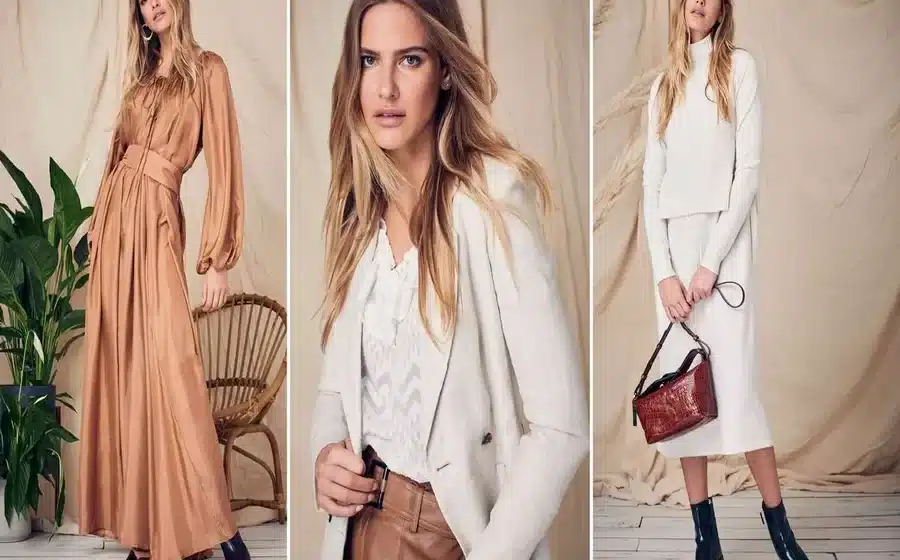

Sustainable shopping has become a significant trend as consumers increasingly prioritize the environment, ethical production, and conscious consumerism. However, one common misconception is that sustainable fashion is expensive. While it’s true that certain eco-friendly brands can carry a hefty price tag, there are countless ways to shop sustainably without straining your budget. With some creativity, planning, and mindful choices, it’s possible to build a wardrobe that’s not only eco-friendly but also affordable.
In this article, we will explore various strategies to help you shop sustainably without breaking the bank. From thrift shopping and secondhand clothing to prioritizing quality over quantity, these tips will help you make environmentally conscious purchases without compromising your financial goals.
Embrace Secondhand Shopping: Thrift Stores and Vintage Shops
One of the most effective and affordable ways to shop sustainably is by buying secondhand. Thrift stores, vintage shops, and online secondhand marketplaces offer a treasure trove of unique items that often come at a fraction of the price of new clothing.
Why Secondhand is Sustainable
Secondhand shopping is a cornerstone of sustainable fashion because it reduces demand for new garments, which in turn lowers the water, energy, and resources used in clothing production. Additionally, it prevents clothing from entering landfills, reducing the overall environmental impact of fashion. Here are some specific benefits of buying secondhand:
Reduced carbon footprint: The carbon footprint of a new garment encompasses all stages of production, from raw material extraction to transportation. Secondhand clothing has already been manufactured, so purchasing it reduces the need for new resources and energy.
Unique items: Secondhand shops often feature unique, vintage, or high-quality garments that are not available in regular retail stores. You can find pieces that reflect your personal style, making your wardrobe more diverse and meaningful.
Cost-effective: The price of secondhand clothing is often significantly lower than buying new, making it an excellent way to shop sustainably without exceeding your budget.
Where to Shop for Secondhand Clothing
Local Thrift Stores: Visit your neighborhood thrift stores or charity shops. These stores often have a wide selection of gently used clothing at very affordable prices.
Online Marketplaces: Websites such as Depop, Poshmark, eBay, and ThredUp offer convenient platforms for buying secondhand clothing. Many of these platforms also allow you to sell your own items, creating a circular fashion ecosystem.
Vintage Boutiques: If you’re looking for retro or high-quality pieces, these boutiques offer a curated selection of garments often made from durable, natural materials net worth.
Invest in Quality Over Quantity
One of the core principles of sustainable fashion is quality over quantity. Instead of purchasing cheap, poorly made items that won’t last long, focus on investing in high-quality garments that will stand the test of time.
Why Quality Matters
High-quality clothing, often made from natural or organic materials, can last for years when properly cared for. This reduces purchase frequency, ultimately saving you money over time. Durability is key to sustainable shopping because it reduces waste and extends a garment’s lifespan.
Here’s how to prioritize quality:
Choose well-made items: Look for clothes with sturdy stitching, high-quality fabrics, and durable finishes. Natural fibers like cotton, wool, linen, and hemp tend to be more durable and environmentally friendly compared to synthetic fabrics.
Avoid fast fashion: Fast fashion items are typically made with cheap materials and poor workmanship, leading to quicker wear and tear. By avoiding these pieces and focusing on quality, you reduce the likelihood of needing to replace items frequently.
Read product reviews: If you’re shopping online, take the time to read customer reviews to get an idea of the item’s durability and longevity.
How to Save Money on Quality Clothing
While high-quality clothing often comes with a higher upfront cost, there are ways to save money while investing in durable pieces:
Look for sales and discounts: Many eco-friendly brands hold seasonal sales, offer discount codes, or have clearance sections where you can snag high-quality items at a fraction of the original price.
Buy off-season: Shopping for winter coats in the summer or swimsuits in the fall can lead to significant discounts on high-quality items.
Shop for timeless pieces: Invest in classic garments that won’t go out of style, such as a well-tailored jacket, quality jeans, or a simple white shirt. These items can be worn year-round and will never lose their relevance.
Choose Sustainable Brands That Offer Affordable Options
Many brands are now embracing sustainable practices while offering reasonably priced clothing options. These brands focus on ethical manufacturing, eco-friendly materials, and fair labor practices but aim to make their clothing accessible to a broader market.
Affordable Sustainable Brands
While many eco-friendly brands are on the pricier side, several brands offer sustainable clothing at more affordable prices. Some brands focus on making basic items, such as t-shirts and jeans, using sustainable materials like organic cotton, Tencel, or recycled polyester. A few examples include:
Everlane: Known for its transparency and commitment to sustainable production, Everlane offers high-quality, affordable basics and wardrobe staples.
Patagonia: Although known for its outdoor gear, Patagonia’s clothing line includes affordable, sustainably-made items that focus on durability.
Uncommon Goods: A marketplace that includes a variety of sustainable and eco-friendly products, including clothing made from recycled materials.
Pact: A clothing brand offering organic cotton basics at a reasonable price point, with a focus on fair labor and environmentally friendly practices.
Organic Basics: This brand focuses on sustainable essentials such as underwear, loungewear, and activewear, all made from organic cotton and recycled materials.
By selecting brands that focus on sustainability and ethics without inflating prices, you can access eco-friendly fashion while staying within your budget. Watch guidance is clear on Morris Time.
DIY and Upcycling: Get Creative with Your Wardrobe
One of the most cost-effective and environmentally friendly ways to shop sustainably is by upcycling or DIY-ing your own clothes. Instead of buying new garments, consider giving new life to items you already own.
Why Upcycling is Sustainable
Upcycling involves taking old or unwanted clothes and transforming them into something new and functional. This approach significantly reduces textile waste and can be a creative and fun way to personalize your wardrobe. By repairing, altering, or repurposing clothes, you can create one-of-a-kind pieces that reflect your unique style.
How to Get Started with Upcycling
Repair damaged clothes: If your favorite pair of jeans has a hole or your sweater has a loose button, take the time to mend or repair these items instead of throwing them away.
Transform old garments: If you have an old shirt or dress that no longer fits or feels outdated, consider turning it into something new. A dress could be shortened into a skirt, a t-shirt could be turned into a tote bag, or jeans could be turned into shorts.
Learn basic sewing skills: You don’t need to be a professional to start upcycling. Basic sewing skills are enough to make small repairs or alterations to your clothes. There are plenty of online tutorials and resources to help you learn.
Upcycling Resources
YouTube tutorials: There are countless upcycling and sewing tutorials available for free online.
DIY fashion blogs: Follow blogs dedicated to upcycling and sustainable fashion for tips and inspiration.
Local sewing workshops: Look for community-based sewing or upcycling classes in your area.
Rent or Swap Clothes for Special Occasions
Another way to shop sustainably without overspending is by renting or swapping clothes for special events like weddings, parties, or holidays. Renting allows you to wear high-quality garments without the long-term commitment or environmental impact.
Why Renting or Swapping is Sustainable
Clothing rental services offer a range of high-end, designer pieces for a fraction of the retail price, allowing you to wear quality garments for a limited time.
Clothing swaps allow you to exchange gently used clothes with friends or through community events. This helps you refresh your wardrobe without buying anything new.
Popular Rental Services
Rent the Runway: A well-known clothing rental service that offers both everyday and luxury items for rent.
H&M Rental: Some larger brands, like H&M, have introduced clothing rental options for special occasions.
Swap Society: A platform for swapping clothes with others, promoting sustainable fashion and reducing waste.
Prioritize Versatile, Multi-Use Pieces
Another key to shopping sustainably is buying clothing that can serve multiple purposes and be mixed and matched to create a variety of outfits. This minimizes the need for excessive purchases and encourages a minimalist approach to fashion.
How to Shop for Versatile Clothing
Neutral colors: Choose clothing in neutral or earth tones that can be easily paired with other items in your wardrobe.
Basic pieces: Invest in wardrobe essentials like a classic blazer, black trousers, or a white button-down shirt. These items can be dressed up or down and worn in various situations.
Layering pieces: Select garments that can be layered, such as cardigans, jackets, and scarves, to add variety to your wardrobe without adding extra items.
Conclusion: Sustainable Shopping on a Budget
Shopping sustainably doesn’t have to be expensive. By embracing secondhand shopping, investing in quality pieces, supporting affordable sustainable brands, and getting creative with upcycling, you can build a sustainable wardrobe without breaking the bank. The key is to prioritize conscious consumption, make thoughtful choices, and focus on durability and versatility in every purchase. With these strategies, you can contribute to a more sustainable fashion industry while keeping your finances in check.

